
Bulletin of the Atomic Scientists, July 16th, 2026
Posted: 16th July 2026
July 16, 2026
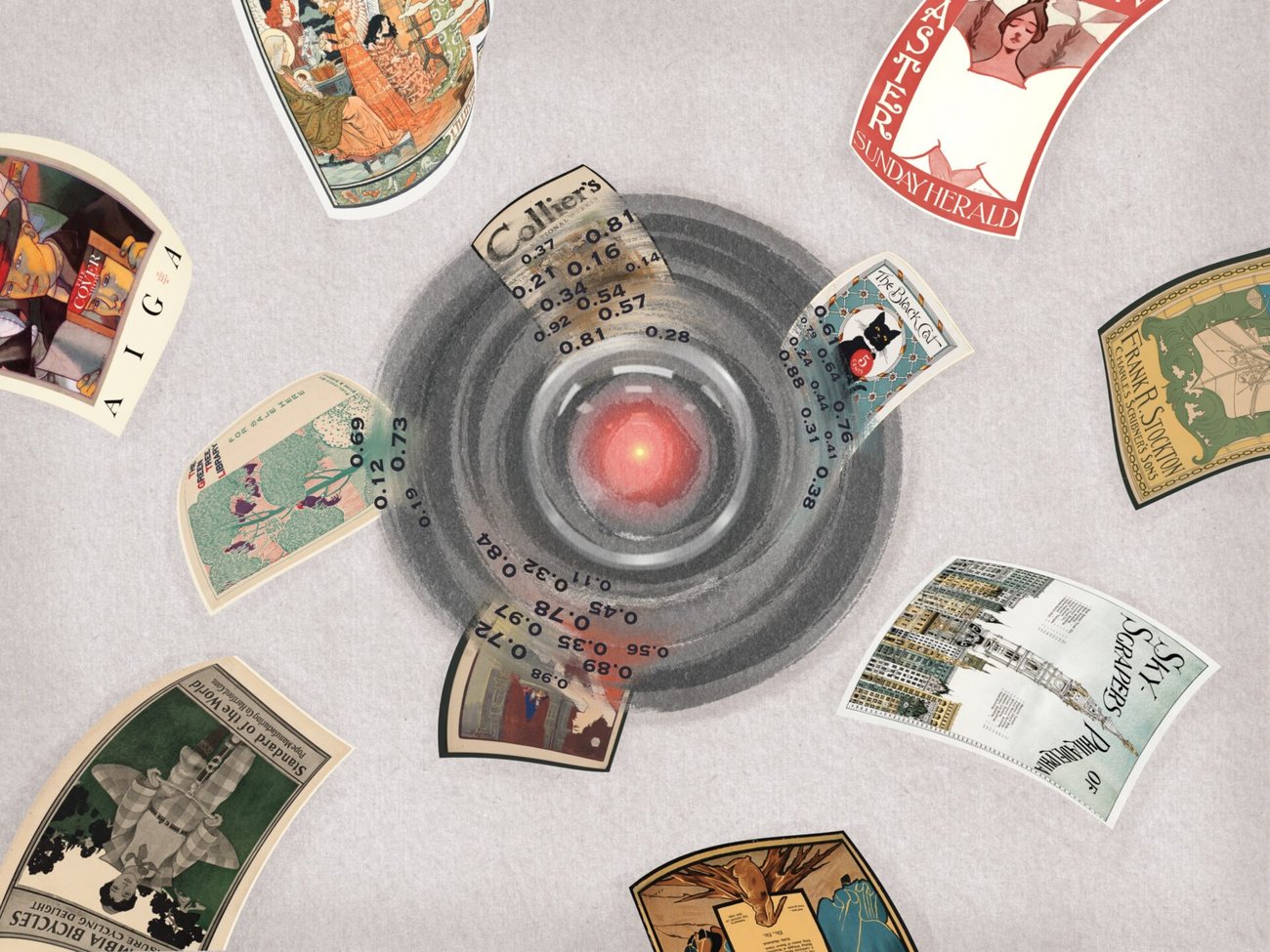
To build models, AI companies acquire terabytes of data from internet scraping, pirate libraries, user-generated materials, scanning purchased books, or third-party data licensing. (Thomas Gaulkin/Reihaneh Golpayegani / Tornado / Licensed by CC-BY 4.0)
Courts won’t settle the fight over AI and creative work: Politics will
Just because something’s wrong doesn’t make it illegal—and copyright law won’t offer appropriate solutions for the problem of AI training on unlicensed creative works, writes Matt Blaszczyk, an assistant professor at the University of Georgia School of Law. One way out of the legal quagmire could lie in political action. Read more.
Europe’s heat wave set records for all-time highs
“Europe has spent several weeks enduring blistering heat,” writes Tik Root. “France, Germany, and Denmark all saw their highest temperatures ever, according to the World Meteorological Organization. Now, new data shows that western Europe set another record: its hottest June ever.” Read more.
Thirteen films that are essential to understanding the nuclear age
A chronological list of the best nuclear Doomsday films, compiled by Bulletinsenior fellow Alex Wellerstein, shows how the nuclear perspective unfolded from the earliest days of the atomic age to the present. Read more.
NUCLEAR NOTEBOOK
Chinese nuclear weapons, 2026
The modernization of China’s nuclear arsenal has both accelerated and expanded in recent years. The newest Nuclear Notebook from Hans M. Kristensen, Matt Korda, Eliana Johns, and Mackenzie Knight-Boyle estimates that China now possesses approximately 620 nuclear warheads, with more in production to arm future delivery systems. Read more.

FROM THE ARCHIVES
Trinity Test anniversary
Today marks 81 years since the first detonation of a nuclear weapon on July 16, 1945. Below is a selection of Bulletin articles examining the event and its wide-ranging impact.
Collateral damage: American civilian survivors of the 1945 Trinity test
“The test site—selected in 1944 from a shortlist of eight possible test sites in California, Texas, New Mexico, and Colorado—had been selected, in part, for its supposed isolation,” writes Lesley M. M. Blume. “Yet in reality, nearly half-a-million people were living within a 150-mile radius of the explosion, with some as close as 12 miles away.” Read more.
In their own words
Originally compiled by Thomas Gaulkin for the 75th anniversary of the Trinity test, the eyewitness excerpts collected here continue to provide a novel retelling of the nuclear detonation, woven entirely from words that more than a dozen of the project’s protagonists first published in the Bulletin. Read more.
Atoms and Arroyos: The photographic legacy of Berlyn Brixner
From the deserts of New Mexico to the Trinity Test fireball, Brixner’s photographs remain fresh and vital to this day, write Edward Landa and Mary Nichols. Read more.
Read more of our historical coverage of the Trinity test here.
Recent articles
- Is London shifting from nuclear deterrence to war-fighting?
- Why Trump’s nuclear blackmail of Iran failed spectacularly
- Introduction: Doomsday and the movies
- The clear winner of Trump’s war in the Middle East is… China, says new report
- Beyond alarmism: A realistic assessment of Bushehr’s plutonium risk
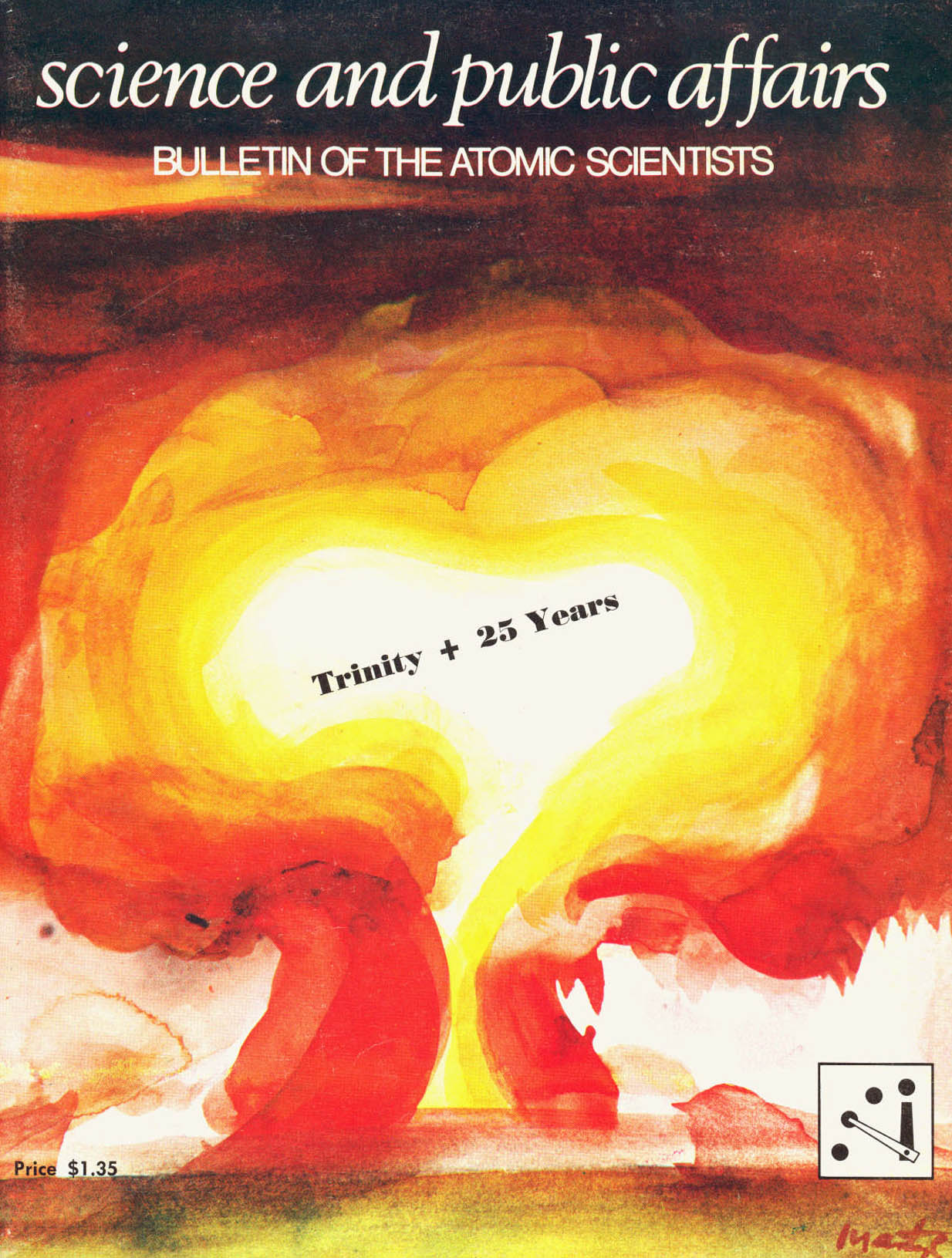
Cover of the June 1970 Bulletin magazine. Subscribers can log in and read the edition here. To gain access to this and other archival material, you can subscribe to the Bulletin’s premium digital magazine for as little as $7.99 a month.
Your gift fuels our mission to educate and empower. Together, we will work to ensure science serves humanity.
Give today